Brain zaps 1 month after quitting ssris: Causes & safe relief
Brain Zaps 1 Month After Quitting SSRIs: Causes & Safe Relief
Disclaimer: The information in this article is for educational purposes only and does not substitute for professional medical advice. If your symptoms are accompanied by a loss of consciousness, severe confusion, or seizures, present to your nearest hospital Emergency Department (ED) or call Triple Zero (000) immediately.
You did exactly what you were supposed to do. You spoke with your GP, came up with a tapering plan, reduced your dose step-by-step, and eventually took your final pill. It has now been a full month since you stopped taking your Lexapro, Zoloft, or Efexor-XR.
You expected to feel fully recovered by now. Instead, every time you turn your head quickly or look to the side, you are hit with a terrifying physical sensation. It feels like a sudden electric shock shooting through your brain, sometimes buzzing down into your chest or fingertips.
You search your symptoms online in a panic, wondering if you have multiple sclerosis, an undiagnosed brain lesion, or permanent nerve damage.
Please, take a deep breath. You are not going crazy, and your brain is not permanently damaged. What you are experiencing are PAWS brain zaps (sometimes called brain shivers or head shocks), a classic, highly misunderstood symptom of Post-Acute Withdrawal Syndrome (PAWS).
And yes, it is completely normal to still experience brain zaps 1 month after stopping an SSRI. Let’s explore why this is happening, why your GP might have suggested otherwise, and how to safely navigate this temporary neurochemical storm.
The Medical Gaslighting: Why Your GP Might Say “It Should Be Gone By Now”
If you bring up these electrical shocks to your GP or specialist a month after finishing your taper, there is a high chance they will say: “The medication has been completely metabolised and is out of your system. These symptoms must just be your underlying anxiety returning.”
This is a common form of unintentional medical gaslighting. It occurs when health professionals confuse the chemical half-life of a drug with the timeline of neuroplasticity.
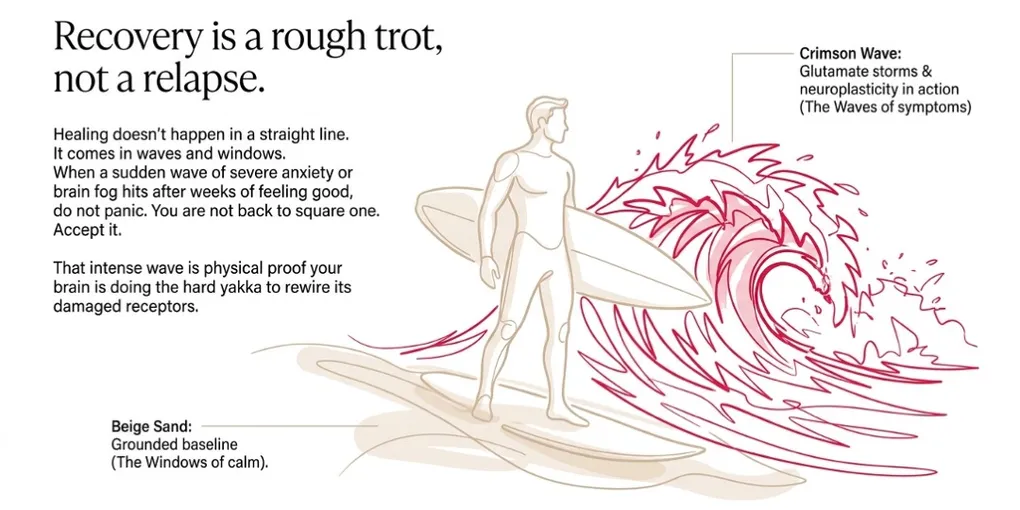
It is true that the synthetic compound is no longer in your bloodstream. However, during the months or years you took antidepressants, your brain structurally adapted. It downregulated (“turned down”) many of its own serotonin receptors because the medication was artificially maintaining those levels for you.
Now that the medication is gone, those natural receptors are still rebuilding. Your brain has to physically grow new neural connections from scratch. Your nervous system is currently like a house undergoing major electrical rewiring—which is precisely why you are feeling these internal “sparks.”
What Exactly IS a “Brain Zap”? (The Neuroscience of Brain Shivers)
Brain zaps are brief, shock-like sensory disruptions in the brain. But why do you specifically feel electrical shocks in the head when moving your eyes?
Neuroscientists believe this occurs because the cranial nerves controlling lateral eye movement are densely populated with serotonin and GABA receptors. Because your central serotonin levels are currently fluctuating, a sudden side-to-side eye movement demands a rapid firing of signals. Due to the temporary shortage of active receptors, the signal misfires, resulting in that sudden electrical jolt.
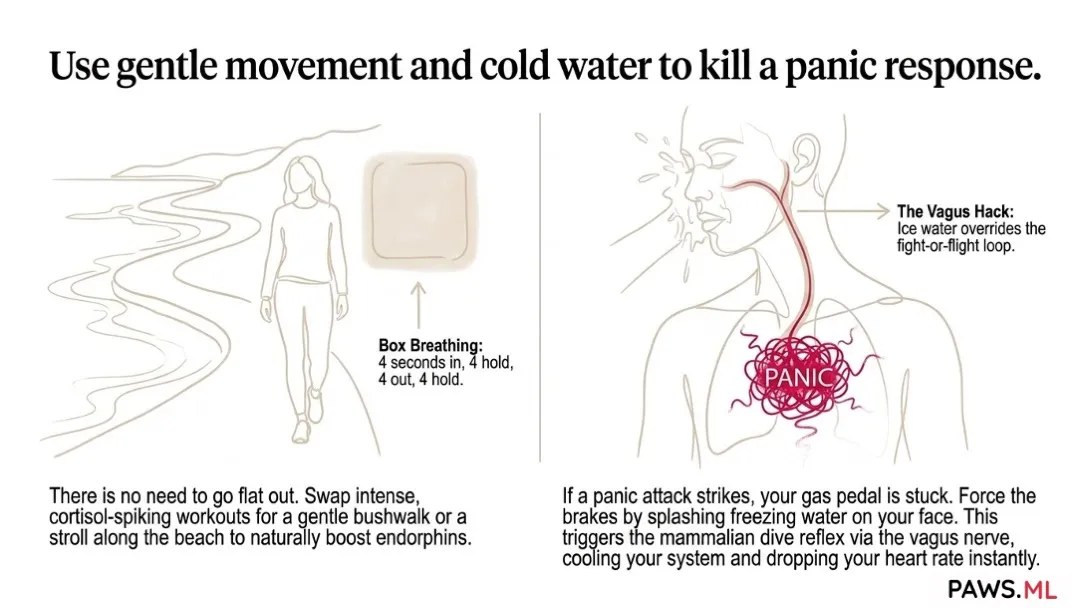
Furthermore, these zaps are heavily influenced by fatigue and stress. Anxiety and brain zaps form a frustrating cycle: a sudden shock startles you, triggering a surge of adrenaline, which overexcites your hypersensitive nervous system and causes even more zaps.
The Danger of Treating Brain Zaps with Unvetted Internet Hacks
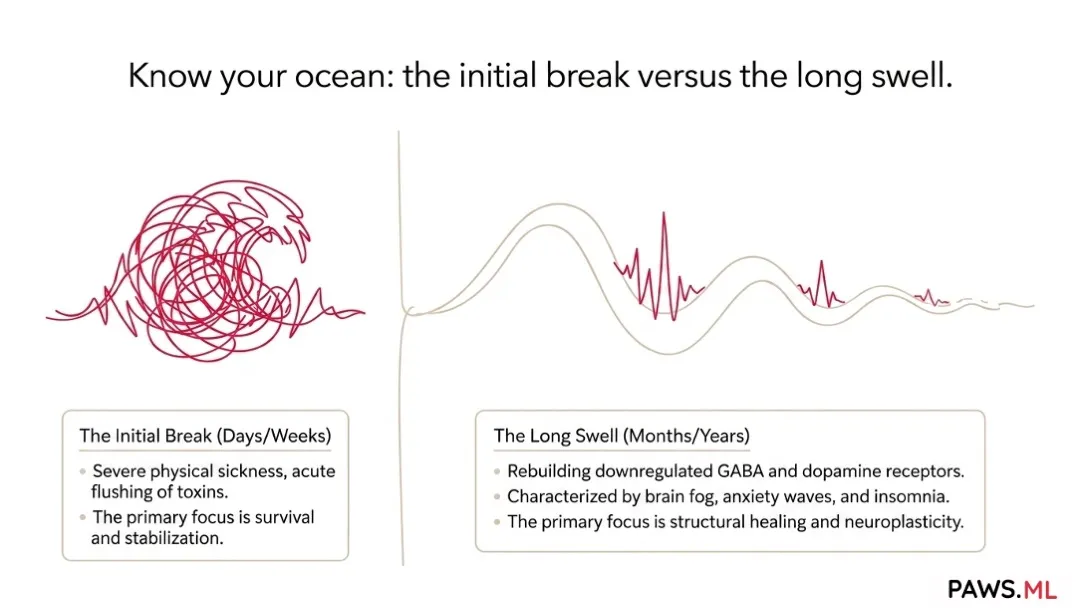
When you are experiencing electric shocks dozens of times a day, the urge to find an immediate fix is overwhelming. Searching online forums or social media groups often leads to people recommending heavy doses of 5-HTP, L-Tryptophan, or St John’s Wort from the local chemist to “boost serotonin.”
This can be genuinely dangerous.
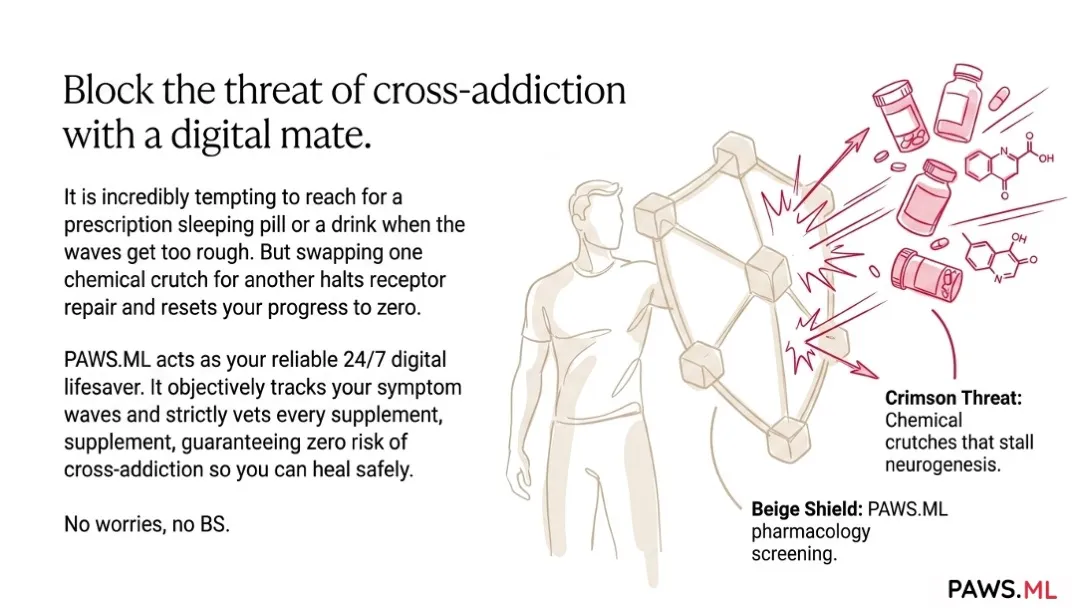
If your nervous system is still adjusting, or if you take other prescription medications—such as migraine treatments, pain relievers, or blood pressure drugs—taking unregulated serotonin precursors can trigger a serious condition known as Serotonin Syndrome, or cause severe drug interactions.
Furthermore, brain zaps fluctuate daily. You don’t just need a random supplement; you need to track the true, non-linear healing of your nervous system. That is why we developed PAWS.ML — your personal, AI-driven neuro-recovery assistant:
- 📉 “Waves & Windows” Symptom Tracker: Log the frequency of your zaps daily. Our AI visualises your long-term progress, proving to you objectively that even when you have a rough day, the overall frequency of shocks is decreasing month by month.
- 🛡️ Pharmacology Safety Agent: Before trying any supplement you read about online, our AI cross-checks it against your personal health profile and active medications to prevent hazardous interactions.
- 💊 Safe Neuro-Nutrition: Recommends precise, evidence-based nutritional support (like specific forms of Magnesium and Omega-3s) with a strict guarantee: 0% cross-addiction risk.
- 💬 Empathetic AI Coordinator: Available 24/7 to reassure you during a sudden wave of zaps, reminding you of the exact neuroscience behind your body’s healing process.
Don’t gamble with your brain chemistry based on unverified online advice. Let an intelligent, medically secure AI agent guide your recovery safely.
👉 Track your recovery trends and access a safe protocol with PAWS.ML
The PAWS Timeline: How Long Do Brain Zaps Actually Last?
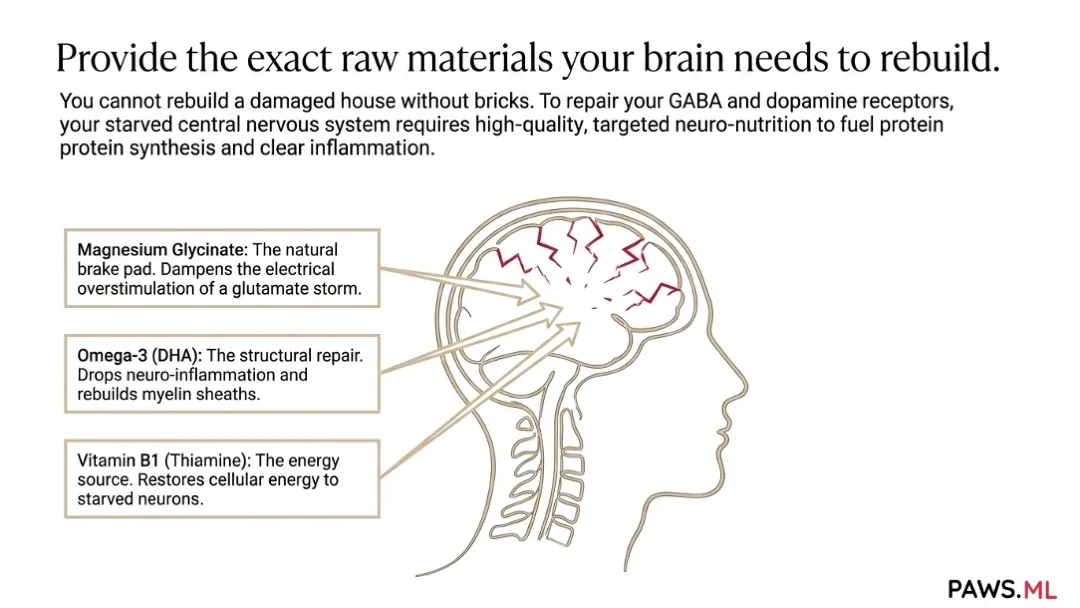
When people search for a Lexapro withdrawal timeline or Efexor withdrawal brain shocks, standard medical leaflets often state that discontinuation symptoms resolve within 1 to 2 weeks. Clinical experience in Australia and worldwide shows a very different reality.
So, how long do brain zaps last after stopping antidepressants?
For some individuals, they resolve within 14 to 21 days.
For many long-term users—especially those who tapered quickly—brain zaps can persist in “Waves and Windows” for 1 to 6 months.
However, they will not remain at peak intensity. During Month 1, you might experience 50 or 100 zaps a day. By Month 3, you may only experience a couple of zaps when you are genuinely exhausted or under acute stress. Gradually, as neuroplasticity finishes its work, they fade away completely.
4 Safe, Science-Backed Ways to Reduce Brain Zaps
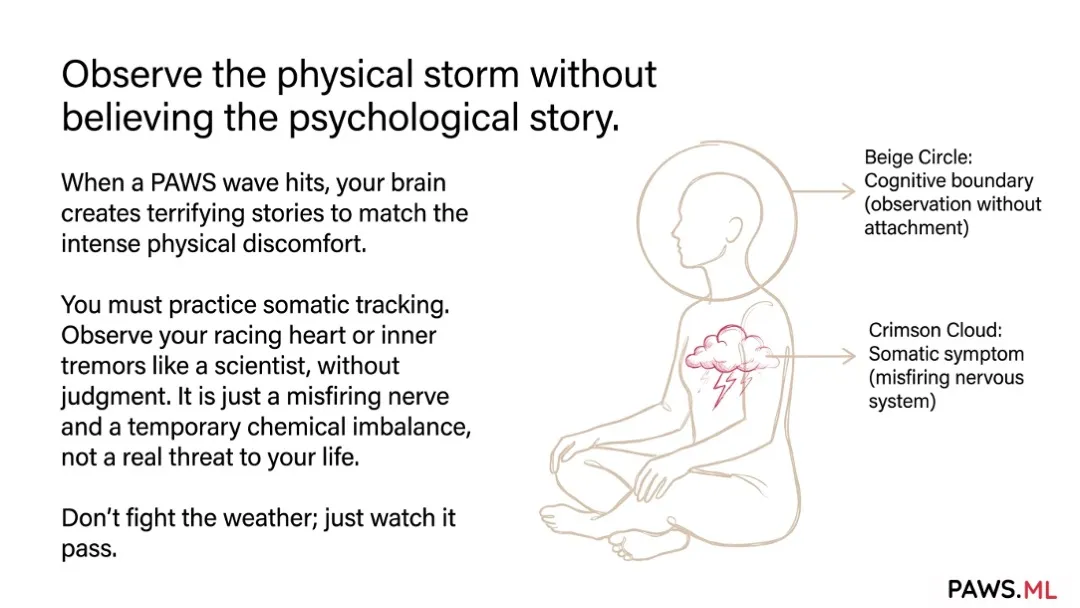
While you wait for your serotonin receptors to regenerate, you can use these non-addictive, evidence-based strategies and lifestyle adjustments to soothe your nervous system:
1. High-Dose Omega-3 (DHA/EPA)
Omega-3 fatty acids provide vital structural support for your nerve cell membranes and myelin sheaths (the protective coating around your nerves). High-quality fish oil sourced from your local pharmacy can help reduce neural misfiring.
2. Magnesium Glycinate for Nerve Calming
Magnesium acts as a natural nervous system relaxant. Specifically, Magnesium Glycinate helps regulate excess glutamate (the excitatory neurotransmitter that amplifies zaps and anxiety) without causing digestive upset.
3. Adjusting Eye & Head Movements
Because rapid lateral eye movement triggers the misfires, adjust how you look around your environment. Instead of darting your eyes quickly to look sideways, practice turning your whole head and neck slowly. This simple physical habit can prevent dozens of shocks each day.
4. Protecting Your Sleep Architecture
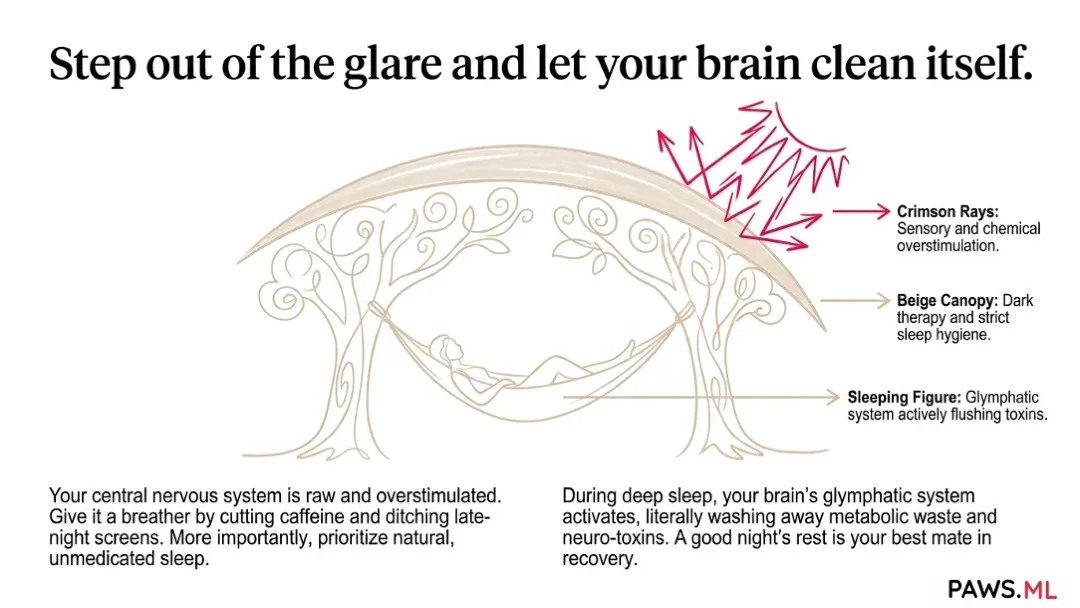
Fatigue directly exacerbates brain shivers. A night of disrupted sleep can lead to a noticeable increase in zaps the following day. Your brain relies on deep REM sleep to repair synaptic connections. Prioritise a calm sleep routine, keep your bedroom cool, and avoid bright screens before bed.
The Trap of Reinstatement: Should You Restart the Medication?
If you mention persistent brain zaps to your GP weeks after your last dose, they may suggest “reinstatement”—restarting the antidepressant to attempt a much slower taper down the track.
If you took your last dose only a few days ago, this approach can sometimes be helpful under medical supervision. However, if it has been a full month or more and the drug has completely cleared your body, restarting can sometimes destabilise an already sensitive nervous system (known as a kindling effect). If you have already made it through the hardest first month, focus on supporting your health naturally, tracking your symptoms, and giving your brain the time it needs to finish rewiring.
Summary & When to Seek Emergency Care
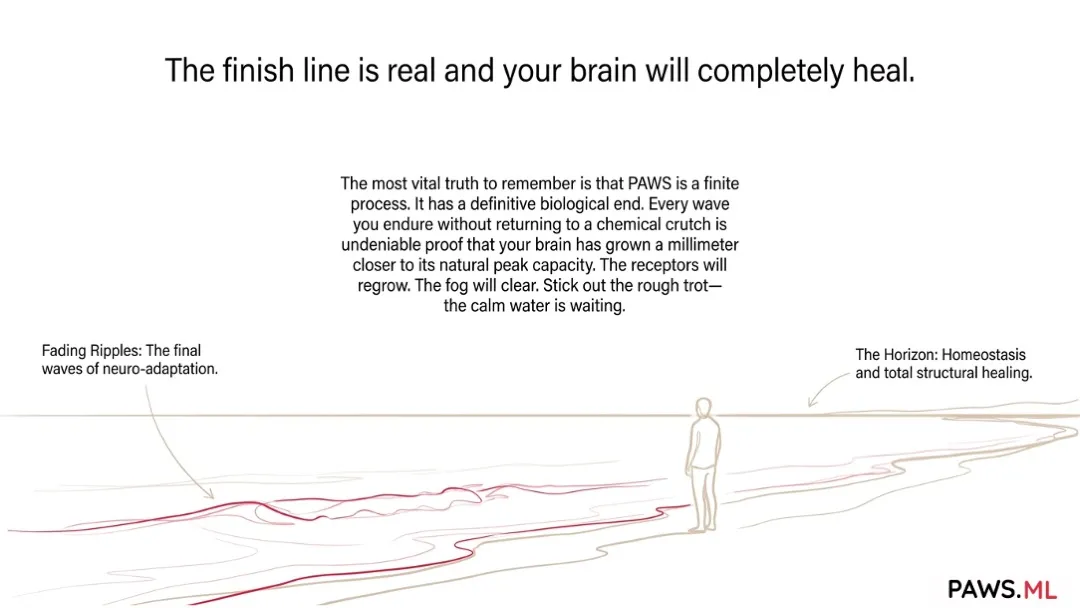
Brain zaps are deeply uncomfortable, annoying, and startling. But the most important truth to remember is this: Brain zaps do not cause permanent neurological damage. They are a temporary, harmless byproduct of a brain that is actively working to restore its natural equilibrium.
⚠️ Medical Red Flags: You should, however, seek immediate emergency medical evaluation (present to an Emergency Department or call 000) if your symptoms are accompanied by:
- Loss of consciousness, fainting, or sudden collapse;
- An inability to speak clearly or swallow;
- Full-body muscle convulsions or seizures.
These are not standard PAWS symptoms and require urgent neurological assessment. For typical brain zaps, patience, safe neuro-nutrition, and objective symptom tracking are your most reliable companions on the path to full recovery.
If you are currently experiencing the challenges of Post-withdrawal syndrome, return to our main page to explore how our AI recovery assistant can help stabilize your neurochemistry.