
3, 6, 9 months sober & miserable? The PAWS timeline explained
3, 6, or 9 months sober and miserable? Why depression and fatigue persist
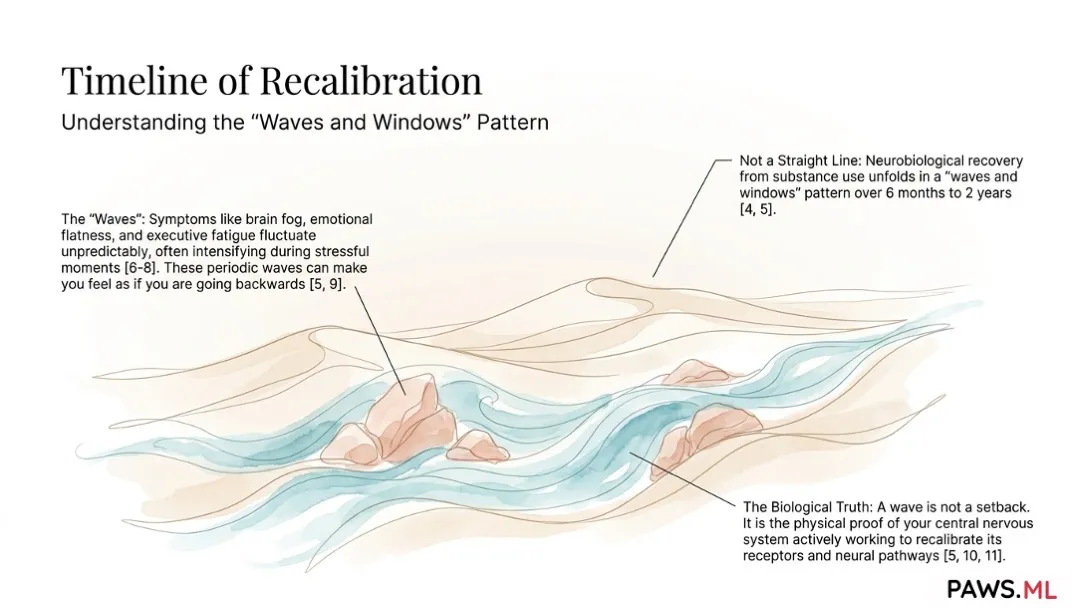
You are counting the days, waiting for the promised reward of health and clarity. But as you hit the 3-month mark, everything seems to have gotten worse. You might be experiencing a deep “one month without alcohol depression” that somehow stretched into three, leaving you exhausted and demoralized. You are not alone. Many people hit this invisible wall and wonder why they feel so terrible when they are doing everything right.
Why no energy in sobriety? The lingering apathy and brain fog
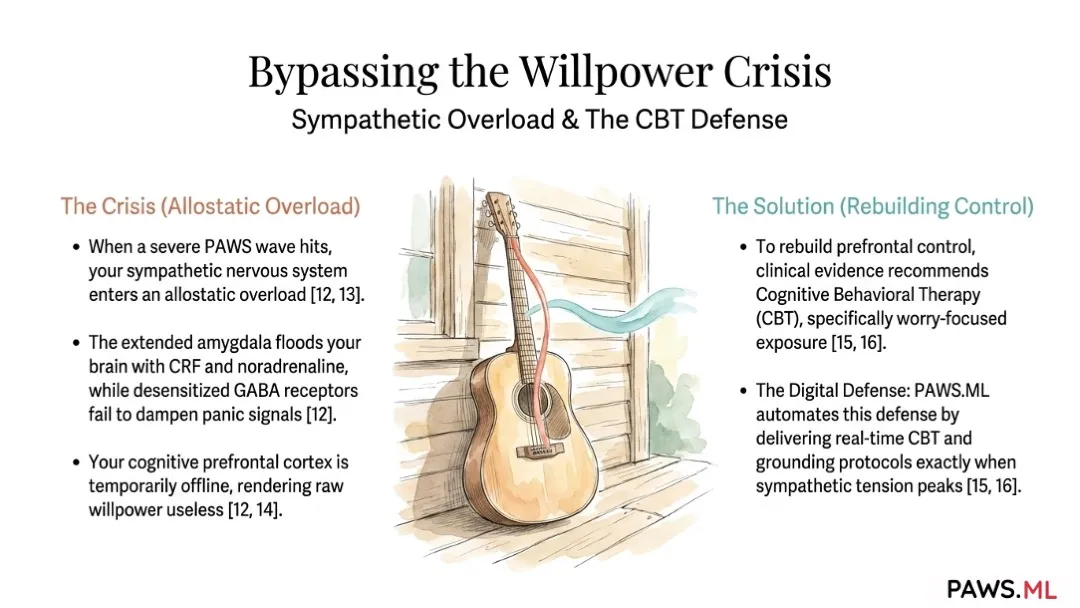
The typical clinical picture in early recovery can be highly confusing. The acute withdrawal phase—the physical shaking, sweating, and intense bodily discomfort—is long gone, usually resolving within the first few weeks. Yet, what remains is a profound sense of total apathy, persistent fatigue, and emotional numbness. You might find yourself constantly asking, “why no energy in sobriety?” or searching the internet for “when will it get easier after quitting?” Even at the milestone of “half a year clean no energy” seems to be the dominant theme. This is not a failure of willpower; it is a complex biological reality.
It’s not you, it’s PAWS: The post-acute withdrawal syndrome timeline
The answer to your struggles lies in PAWS—Post-Acute Withdrawal Syndrome. While acute withdrawal is your body physically detoxifying, PAWS represents a prolonged period of neuroadaptation where your brain slowly attempts to recalibrate its structural and chemical balance.
The calendar lies to you because your brain recovery timeline is not a straight line. Healing happens in a pattern of “waves and windows,” and there are distinct physiological crisis phases that occur due to a cortico-striatal imbalance—where the emotional centers of your brain recover at a different speed than your logic and willpower centers.
Here is how your brain reorganizes over months:
3 months sober: The anhedonic dip & dopamine deficit
3 Months (The Anhedonic Dip): At three months, the initial psychological boost of getting sober fades. Your brain is suffering from a profound depletion of dopamine and a persistent deficit in Atrial Natriuretic Peptide (ANP), a crucial endogenous stress damper. This creates a “hedonic lag”—you structurally cannot feel pleasure from normal activities yet, which manifests as intense depression and irritability.
6 months sober: Cumulative exhaustion & sleep disruption
6 Months (Cumulative Exhaustion): By six months, chronic sleep architecture disruption and orexin (wakefulness peptide) imbalances catch up with you. The cumulative fatigue from months of poor sleep quality leads to a severe drop in cognitive flexibility and motivation, making this a peak period for relapse.
9 months sober: Executive fatigue & burnout
9 Months (Executive Fatigue): Around nine months, your prefrontal cortex—the brain area responsible for impulse control—experiences functional burnout from constantly fighting subconscious cravings. Simultaneously, your stress system (the HPA axis) reaches allostatic exhaustion, becoming “blunted” or rigid. Instead of mobilizing energy to deal with stress, your body responds with a vegetative collapse and depressive sluggishness.
How to heal PAWS: Targeted brain rebuilding with AI support
Brain recovery cannot simply be “waited out”. Restoring the brain’s neuroplasticity and overcoming PAWS requires active, targeted intervention.
This is where our PAWS ML AI agent steps in. Our advanced AI analyzes your specific substance history, duration of use, and current symptom profile to accelerate your neurogenesis. We don’t just track your days; we actively support your biology:
Targeted Nutritional Support: PAWS ML curates specific, evidence-based nutritional protocols to rebuild your neurotransmitters. This includes essential amino acids like Tyrosine (a direct precursor to dopamine) and vital co-factors like Niacin, Folate, and Vitamin B6, which are critical for dopamine synthesis and repairing the reward system.
Precision Psychological Intervention: Knowing exactly when your brain will hit its 3, 6, and 9-month crisis points, our AI agent deploys behavioral activation strategies and coping mechanisms right when your executive fatigue is highest.
Don’t let the calendar dictate your recovery. With PAWS ML, you can actively repair your neural pathways, restore your energy, and finally leave the shadows of Post-Acute Withdrawal Syndrome behind.
FAQ: Understanding the 3, 6, and 9-month sobriety milestones
Why am I so tired 3 months after quitting alcohol or medications? Answer: At 3 months sober, the “pink cloud” of early recovery often fades, leaving you in what is known as the “Anhedonic Dip.” You feel exhausted and unmotivated because your brain is experiencing a severe depletion of dopamine and struggling with a cortico-striatal imbalance. Your body is biologically unable to feel pleasure from normal activities yet. This extreme fatigue is a normal symptom of Post-Acute Withdrawal Syndrome (PAWS) and will pass as your receptors heal.
Does depression go away after 6 months sober? Answer: Healing from addiction is not a straight line, and hitting the 6-month mark often triggers cumulative exhaustion. Months of disrupted sleep architecture and orexin imbalances can cause a resurgence of depression and fatigue, commonly referred to as PAWS “waves.” While the depression does eventually go away, actively supporting your brain with targeted nutritional protocols and behavioral activation (like the PAWS ML AI agent suggests) can significantly speed up your recovery.
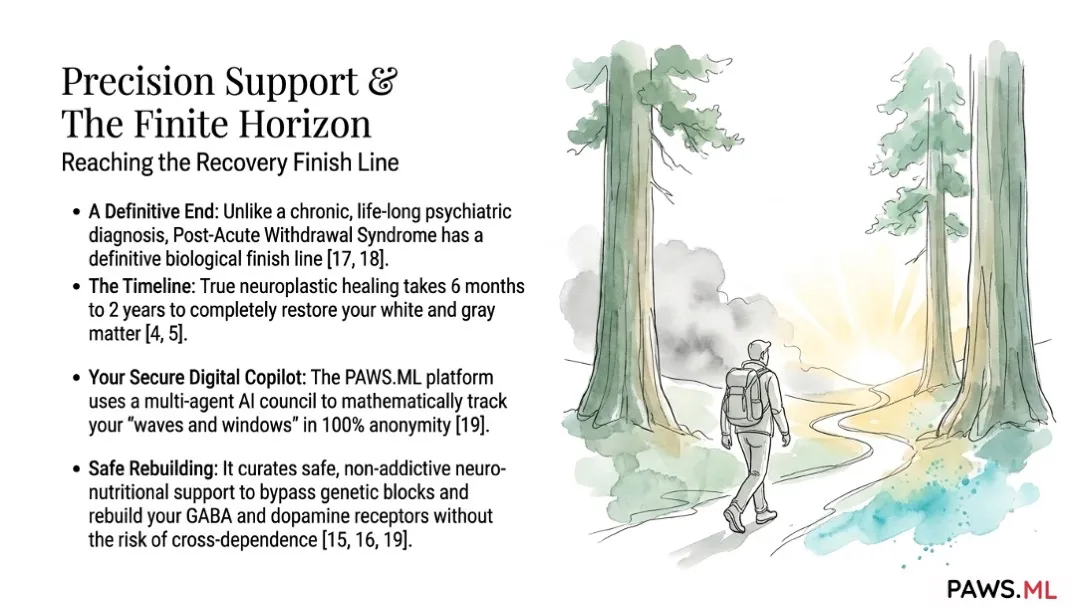
How long does Post-Acute Withdrawal Syndrome (PAWS) last? Answer: The timeline for Post-Acute Withdrawal Syndrome (PAWS) typically lasts anywhere from 6 months to 2 years, depending on your substance history and individual biology. Symptoms like brain fog, emotional numbness, and executive fatigue tend to spike at specific milestones (3, 6, and 9 months). However, by using targeted neuro-nutritional support and understanding the “windows and waves” pattern of healing, you can actively accelerate the recalibration of your central nervous system.
If you are currently experiencing the challenges of Prolonged withdrawal syndrome, return to our main page to explore how our AI recovery assistant can help stabilize your neurochemistry.